

















ARKUB | AR VR MR Experimental Agency

A holistic approach from beginning to end

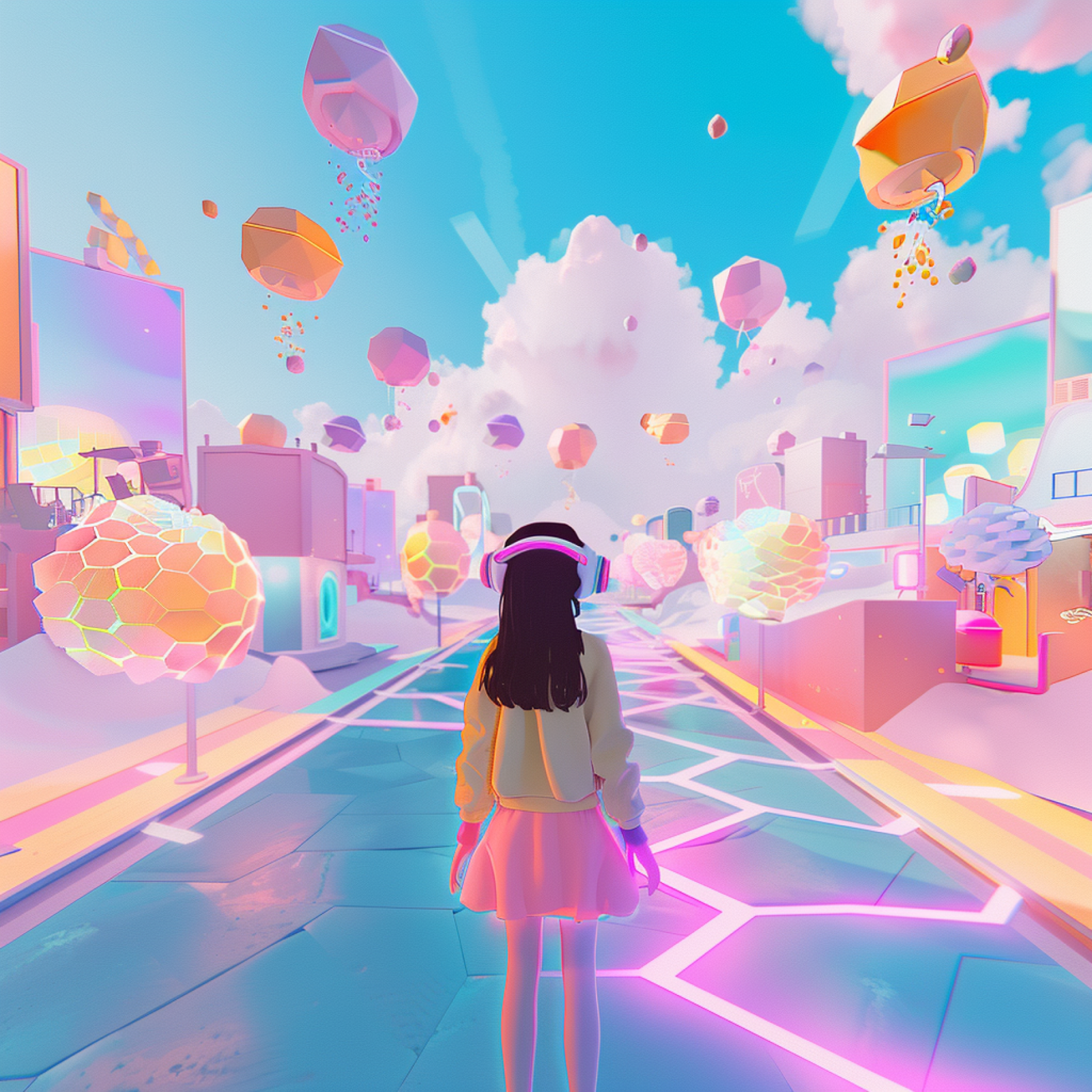
Immersive Experience Design & VR

We concept, design and deliver immersive experiences built for permanent installations and live event environments. Our process starts with a clear brief and a defined audience — then moves through wireframing, prototyping, and full deployment. We work across exhibitions, visitor attractions, corporate environments, and large-scale public spaces. Every experience we design is built around how people actually move, interact, and engage within real spaces — not how they behave in a controlled demo.

young man wearing VR headset

Spatial Computing & AR

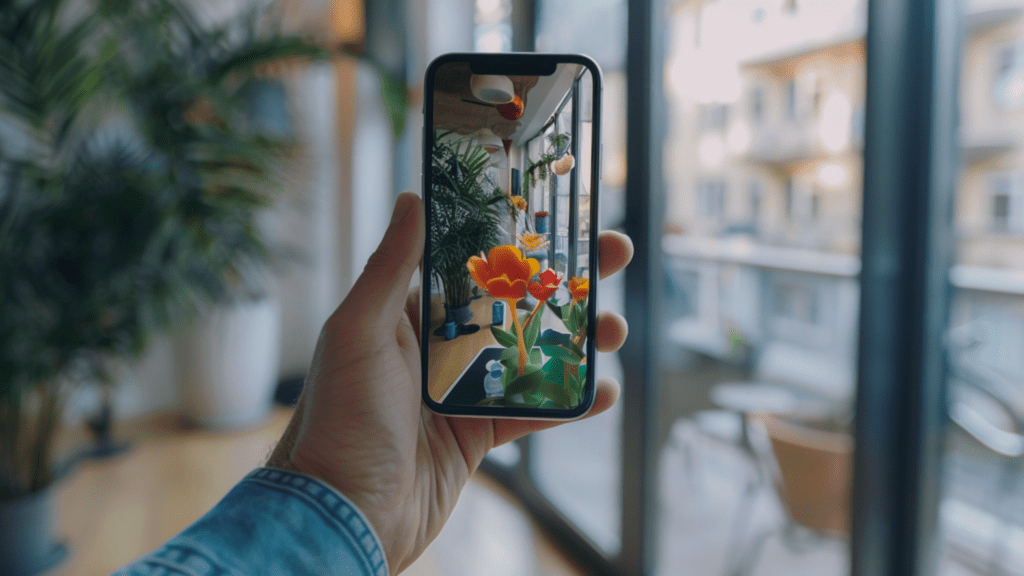
We design and deploy AR, MR, and Apple Vision Pro applications that integrate digital layers into physical environments. Our spatial computing work spans training simulations, public visitor experiences, retail activations, and brand-led environments. We handle the full stack — from spatial mapping and content integration to hardware selection and on-site deployment. Built for environments where precision, reliability, and real-world performance are non-negotiable.

360 Video Production

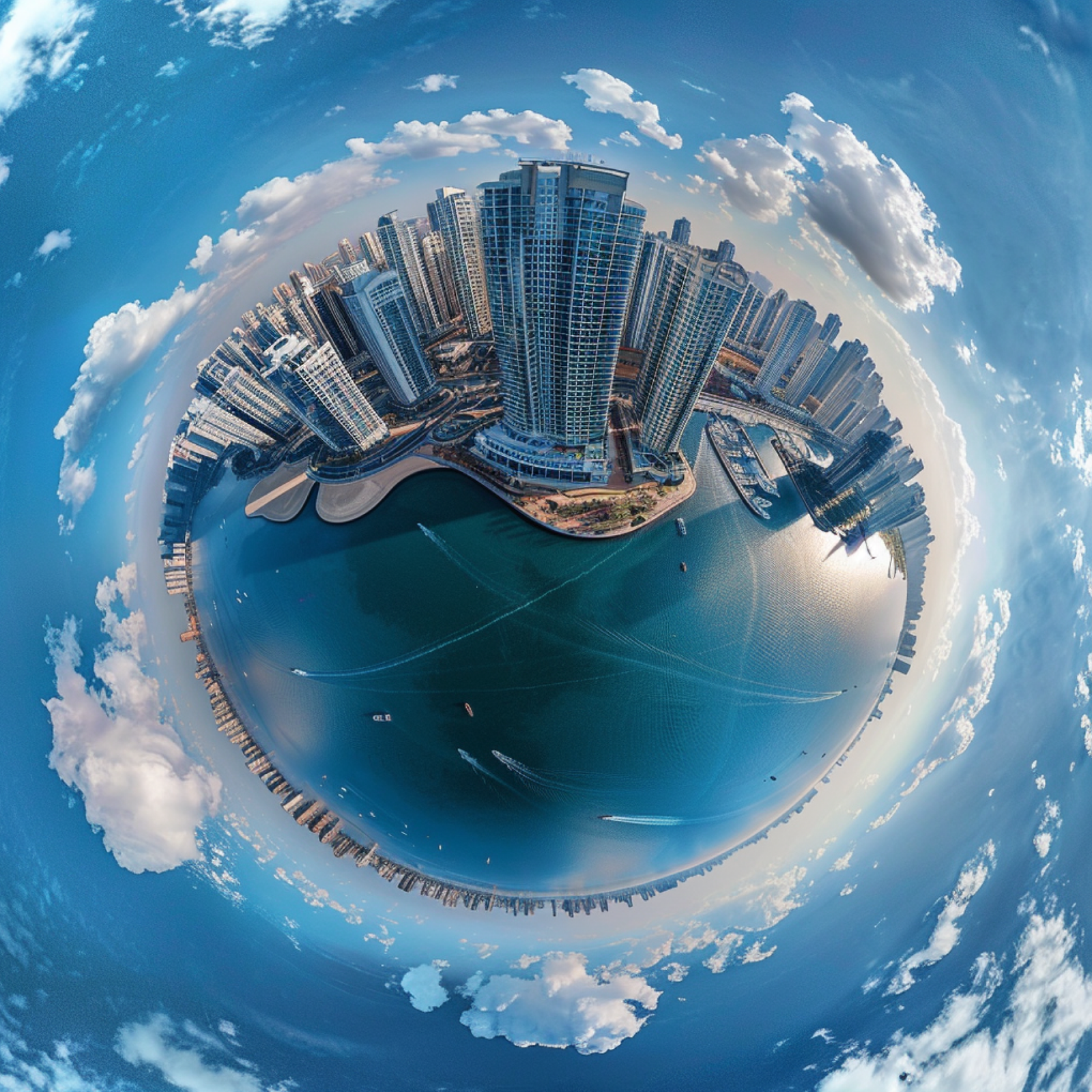
We plan, film, and produce 360 video content for tourism, real estate, enterprise, and live events. Our productions cover the full pipeline — from location scouting, scripting, and multi-camera rigging through to post-production, stitching, and final delivery. We've produced 360 content for government tourism authorities, visitor attractions, and enterprise clients across the UAE and beyond. Every production is built around a clear deployment environment — whether that's a VR headset, a public kiosk, a website, or a live event screen.

3D Content & Environments​

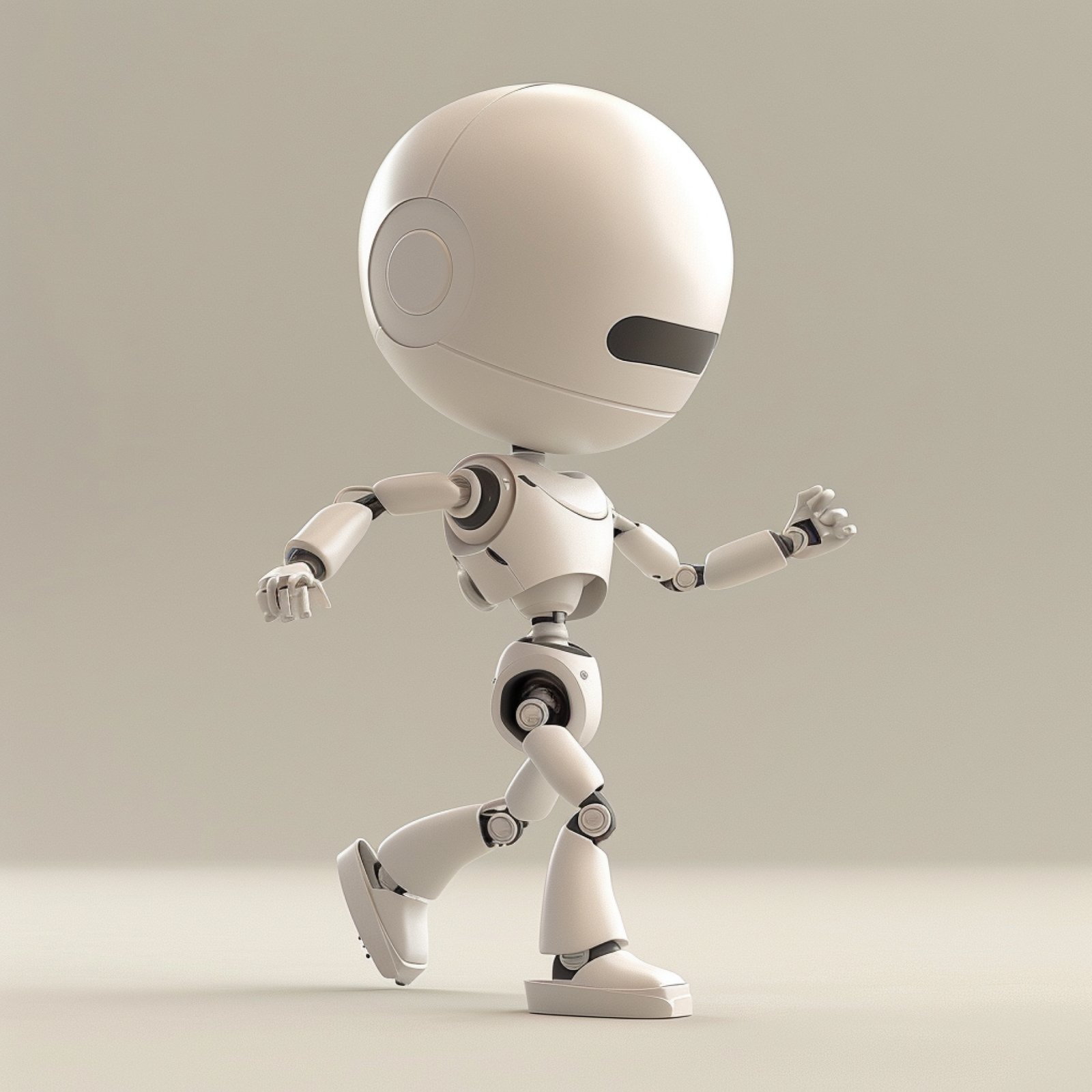
We produce 3D assets, animation, and full virtual environments built for real-time engines, AR, VR, metaverse platforms, and broadcast. Our production pipeline covers the full cycle — from concept, storyboarding, and asset creation through to rigging, animation, lighting, and final rendering. We work across museums, theme parks, enterprise training, and immersive installations. Every asset is built for its final deployment environment, not repurposed from a generic template.

AI-Driven Interactive Systems

We integrate AI into interactive environments that respond, adapt, and personalise in real time. From intelligent avatars and conversational interfaces to generative installations and data-driven experiences, our AI systems are designed for real-world deployment — not laboratory conditions. We work with brands, governments, and enterprise organisations to build systems that serve real users at scale, combining hardware, software, and content into a single integrated solution.

Event Technology & Interactive Installations

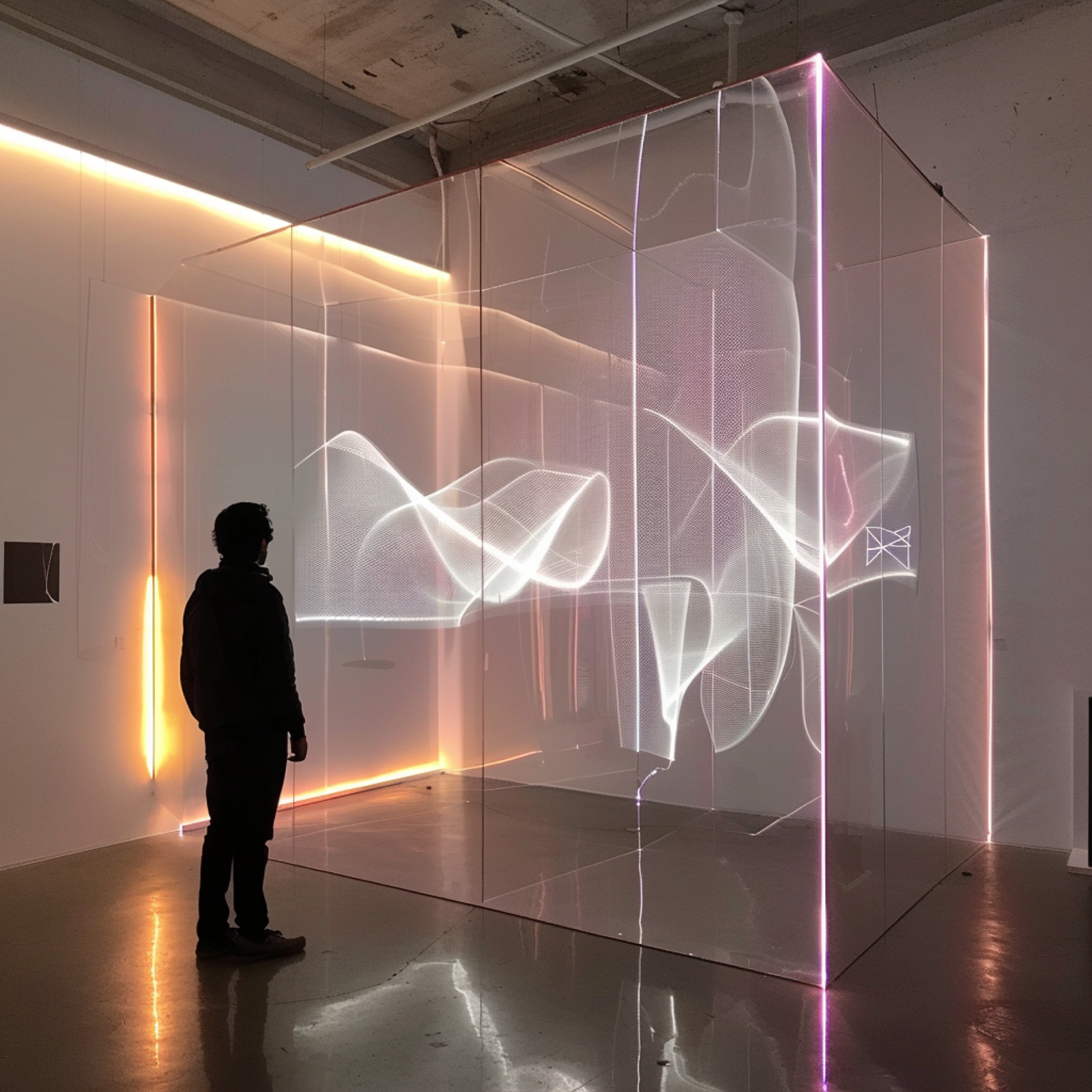
We design and deploy event technology and interactive installations for live activations and permanent environments. From projection mapping, sensor-driven displays, and touch interfaces to immersive multi-screen systems and large-scale event productions, we build experiences that transform spaces. Our work spans product launches, brand activations, exhibitions, corporate events, museums, and visitor attractions across the UAE and internationally. Every installation is engineered for its environment — built to run reliably whether it's a one-night activation or a permanent fixture running daily for years.

Technologies we work with

Unlocking the Future of Augmented Reality

With the groundbreaking Apple Vision Pro, we are redefining the boundaries of AR, creating immersive experiences that engage, inspire, and connect users in ways never seen before.

Hardware and Equipment
we use to run our immersive experiences

Head-Mounted Displays

From Meta Quest to Apple Vision Pro, we deploy HMDs that match the experience — not the trend. Every headset we recommend has been tested in real public environments, not just demo rooms.

Smartphones and Tablets

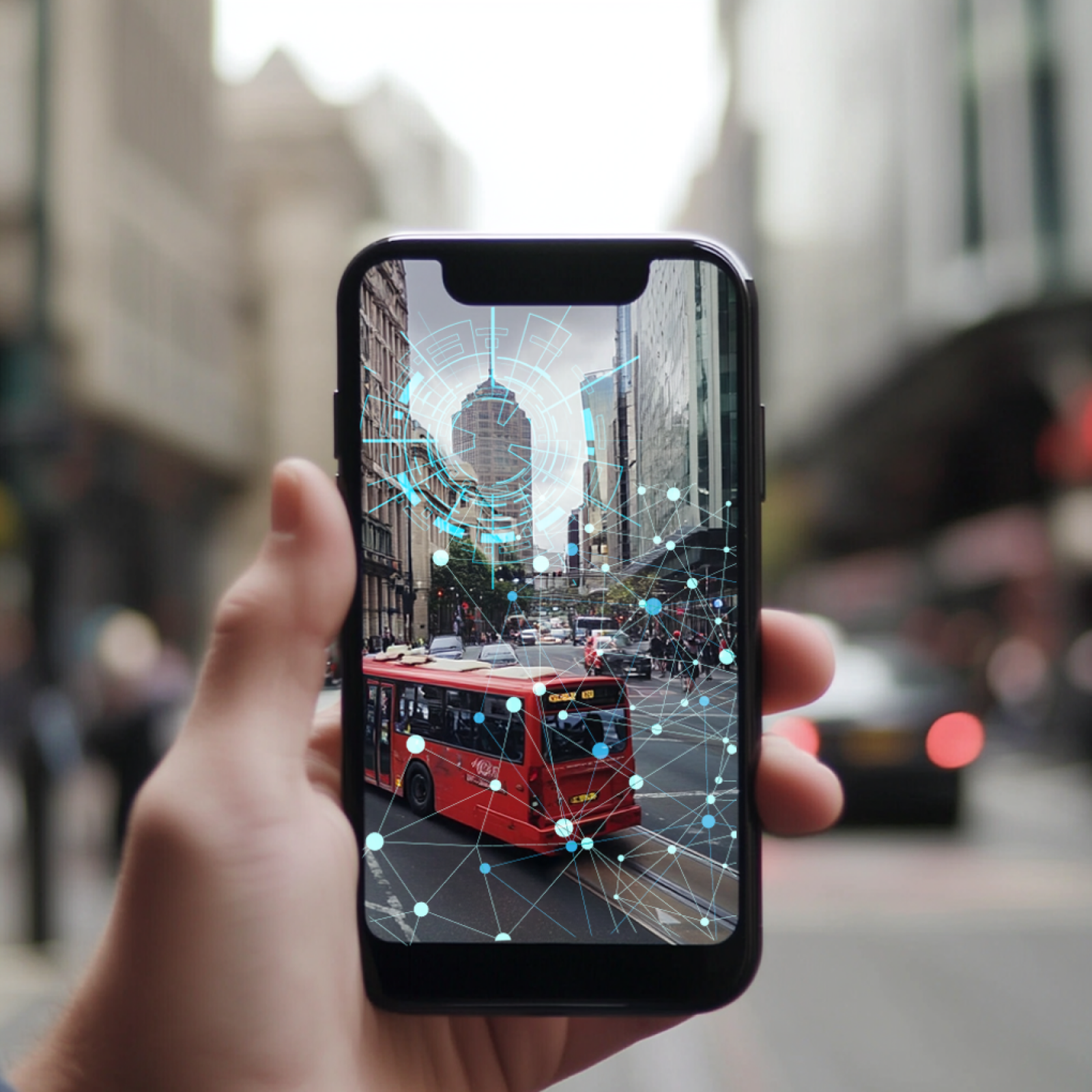
The most accessible immersive platform in the world. We build AR and interactive experiences that run on consumer devices without sacrificing quality or performance.

Spacial Computing Devices

We design for spatial environments where digital and physical merge seamlessly. From room-scale interactions to location-aware experiences, we build for the space,
not just the screen.

Smart Glasses

Purpose-built for hands-free environments — training floors, industrial sites, and guided experiences. We integrate smart glasses into workflows where they
genuinely improve performance.

Holographic Displays

High-impact visuals that stop people in their tracks. We deploy holographic displays in retail, exhibitions, and permanent installations where the wow factor
serves a real purpose.

AR Accessories

Trackers, haptics, spatial anchors — the supporting hardware that makes immersive experiences feel real. We specify and integrate accessories based on what the experience actually needs.

How we do things

Step 1

Methodology

STEP 1
Discovery

We begin by immersing ourselves in your vision, understanding your goals, target audience, and unique challenges. Through collaborative brainstorming sessions, we generate innovative ideas that will form the foundation of your project.

Step 2

Methodology

STEP 2
Conceptualisation

With a clear understanding of your objectives, our team of designers and technologists bring your vision to life through sketches, wireframes, and conceptual designs. We refine these concepts iteratively, ensuring they align seamlessly with your brand identity and user experience goals.

Step 3

Methodology

STEP 3
Prototyping

Once the concepts are finalized, we move into the prototyping phase. Using cutting-edge tools and technologies, we develop interactive prototypes that allow you to visualize and test the user experience firsthand, providing valuable insights for refinement.

Step 4

Methodology

STEP 4
Testing

Rigorous testing ensures that the final product meets our high standards of quality and performance. We conduct user testing and feedback sessions to identify areas for improvement, iterating as necessary to optimize the user experience.

Step 5

Methodology

STEP 5
Launch

With the project perfected, we prepare for launch. Whether it's an exhibition, event installation, digital campaign, or immersive application, we handle all aspects of deployment, ensuring a seamless and successful launch.

previous arrow
next arrow

FAQ

Augmented Reality (AR), Virtual Reality (VR), and Mixed Reality (MR) are all immersive technologies, but they offer different experiences. AR overlays digital information, such as images or text, onto the real world through devices like smartphones or AR glasses, enhancing the users’ interaction with their physical surroundings without completely replacing it. In contrast, VR creates a fully immersive digital environment that users can explore using VR headsets, effectively transporting them away from the real world into a virtual one. Mixed Reality, on the other hand, combines aspects of both AR and VR, allowing digital objects to interact with the real world in real-time; users can not only see the virtual elements blended into their environment but also interact with them as if they were part of the real world. This blending of real and virtual worlds makes MR particularly compelling for applications in training, collaboration, and design.

AR, VR, and MR can significantly benefit your business by enhancing customer engagement, improving training effectiveness, and facilitating innovative marketing strategies. AR can provide interactive experiences that allow customers to visualize products in their environment, leading to more informed purchasing decisions; for instance, an AR app can let customers see how furniture looks in their home before buying. VR can create immersive simulations for employee training, enabling them to practice skills in a safe environment without real-world consequences, which can improve retention and confidence. Additionally, MR can foster collaboration among teams by allowing them to manipulate digital objects in a shared physical space, enhancing creativity and project development. Overall, these technologies can lead to increased customer satisfaction, reduced training costs, and a competitive edge in the market through innovative product showcases and enhanced brand experiences.

AR, VR, and MR technologies are particularly well-suited for industries such as gaming and entertainment, where immersive experiences are paramount; retail and e-commerce, where AR can enhance product visualization for customers; healthcare, which utilizes VR for surgical training and AR for enhanced patient care; education and training, offering interactive learning environments; real estate and architecture, enabling virtual property tours and design visualizations; manufacturing and engineering, improving maintenance procedures with AR overlays; travel and tourism, providing virtual explorations of destinations; and advertising and marketing, creating engaging interactive campaigns. These industries leverage immersive technologies to enhance user experiences, drive engagement, and improve efficiency.

To get started with an AR, VR, or MR solution, you need to begin by clearly defining your objectives and target audience, as this will guide the development process. Next, you should conduct thorough research to understand the specific technology that best suits your needs—whether it’s AR, VR, or MR—along with the required hardware, such as VR headsets, AR glasses, or compatible mobile devices. You will also need software development tools and platforms specialized for creating immersive content, like Unity, Unreal Engine, or specific AR SDKs. Collaborating with or hiring skilled developers and designers experienced in immersive technology is crucial to bring your vision to life. Additionally, consider a budget for hardware, software development, and potential marketing efforts to promote your solution once it’s launched. Finally, gather user feedback throughout the development process to ensure the final product effectively meets user needs and expectations.

The cost to develop AR, VR, or MR solutions can vary widely depending on several factors, including the complexity of the application, the technology used, the platforms targeted (like mobile or standalone devices), and the level of interactivity required. For basic AR applications, development costs might range from $10,000 to $50,000, while more advanced apps could range from $50,000 to $150,000 or more. VR development typically incurs higher costs due to the need for more sophisticated graphics and hardware compatibility, with projects often starting at $20,000 and reaching upwards of $200,000 for comprehensive experiences. Mixed Reality solutions tend to be even more expensive, as they require robust technology integrations and higher development expertise, which can push costs well above $100,000. Additionally, ongoing expenses for maintenance, updates, and marketing should be considered, making it essential for businesses to clearly define their project scope and budget from the outset.

Selected Work

top